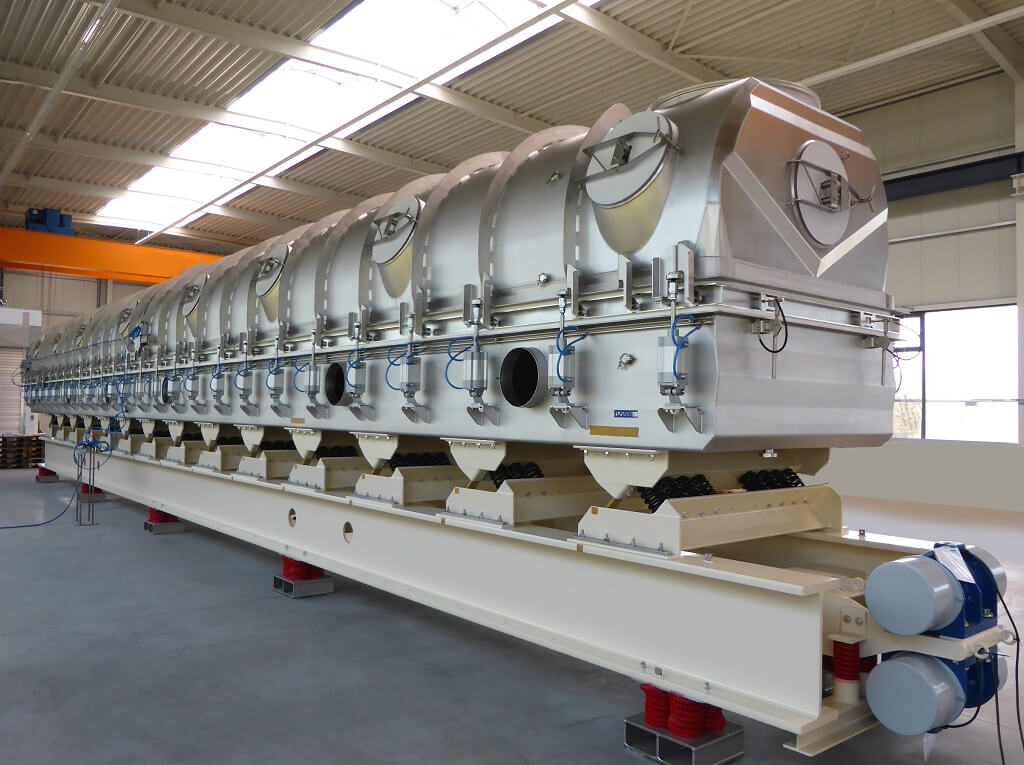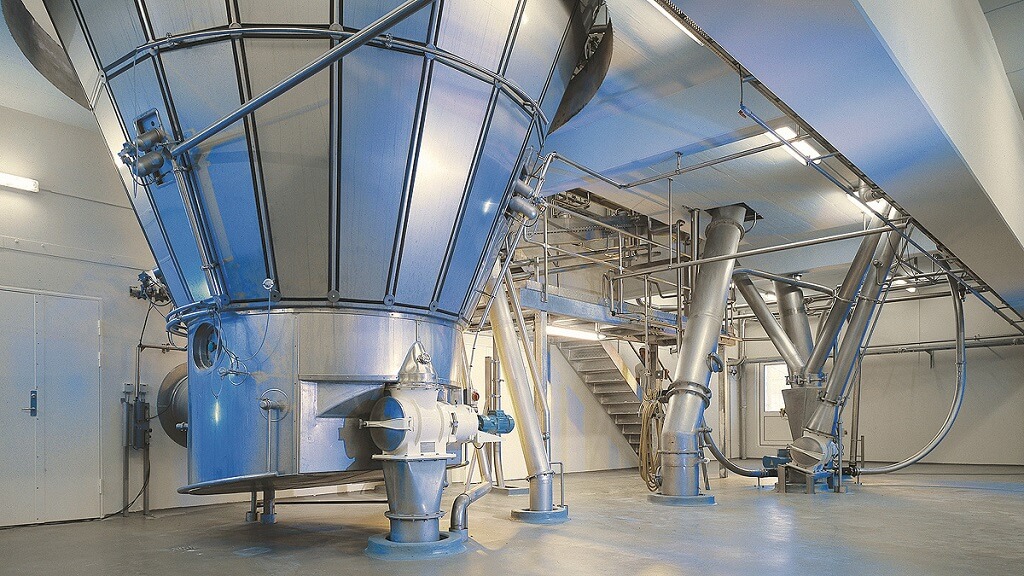
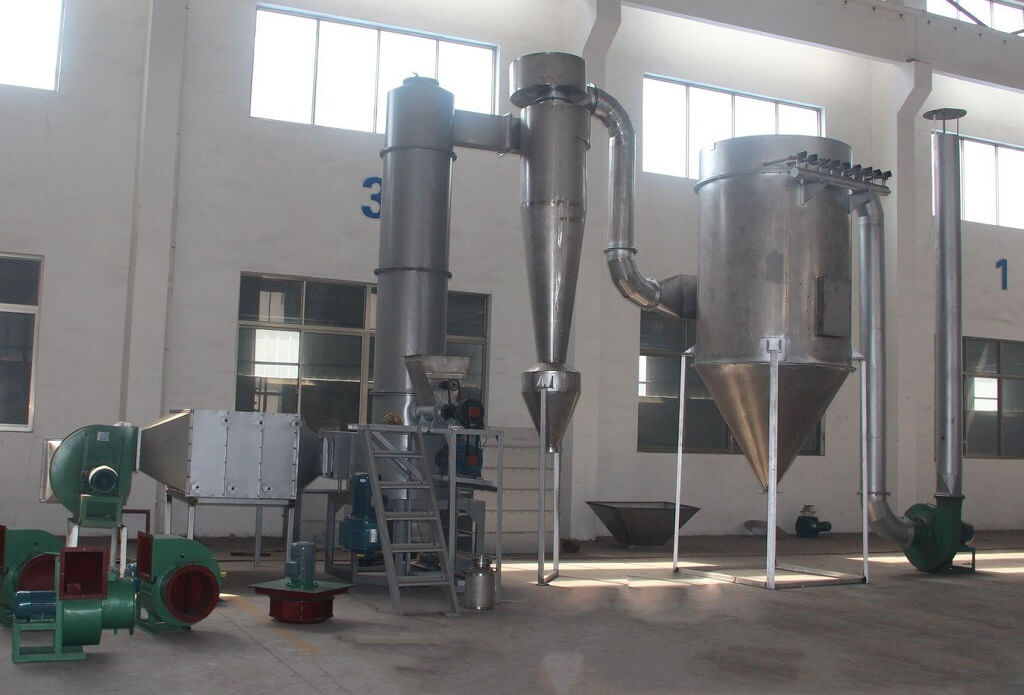
A spin flash dryer should be operated according to the approved project operating manual, safety assessment and local procedures. The guidance below is a general process overview; the specified start-up sequence, interlocks, temperature limits and cleaning method for a particular installation must always take priority.
Pre-Start Checks
Before starting, verify that guards, access doors, connections, product-recovery equipment and dust-collection components are correctly installed. Confirm that the feed material is ready and consistent with the process specification. Check the availability of required utilities and confirm that instruments, alarms and emergency stops are in their normal operating condition.
Prepare the Air and Heating System
Start the air-handling system in the sequence specified for the installation so that stable air flow is established before material is introduced. Bring the heater to the approved operating condition and allow inlet and outlet temperatures to stabilize. Temperature settings should be based on the material, required product moisture and validated process limits.
Introduce Feed Gradually
Start the dispersing and feed equipment only after the drying system is stable. Introduce material gradually and monitor feed rate, inlet temperature, outlet temperature, pressure conditions and product-recovery performance. A sudden increase in feed rate can change the drying load and may affect product moisture or cause build-up.
Monitor Normal Operation
During operation, monitor the values identified in the approved operating procedure, such as air temperatures, pressure drop, fan performance, feed consistency and discharge condition. Investigate abnormal noise, vibration, unstable temperature, unusual pressure changes or unexpected product behavior before continuing production.
Controlled Shutdown
Stop material feed in accordance with the project procedure and allow the system to clear remaining product. Maintain air flow for the required period where applicable, then reduce heating and shut down auxiliary equipment in the specified sequence. Do not open equipment or carry out maintenance until the system is isolated, cooled and made safe.
Cleaning and Maintenance
Cleaning frequency and method depend on the product, hygiene requirements and material build-up tendency. Use the approved cleaning and lockout procedures. Routine inspection of the feed system, rotor, chamber, ducting, separation equipment and filters supports stable operation and helps identify wear or deposits early.
Process Support
For a spin flash dryer project, provide the material description, moisture range, capacity, heat sensitivity and required powder characteristics. Griffin Machinery can use these inputs to support equipment selection and operational planning.
OPERATING BOUNDARY
Use the Project-Specific Operating Manual for Start-Up and Shutdown
The sequence on this page is a general process overview. Actual start-up, shutdown, cleaning, interlocks, alarm response and maintenance work must follow the approved manual, site safety procedure and equipment configuration for the installed system.
Confirm the process basis before operation
- Material identity, feed form, moisture and expected powder behavior
- Approved operating limits, utilities, airflow and heating arrangement
- Collection, filtration, dust handling and discharge readiness
- Required protective measures, inspection status and operator authorization
Use operating observations for improvement
Record feed consistency, air conditions, product temperature, collection behavior, deposits, vibration and any variation in powder quality. Trend data helps identify changes in material behavior or process conditions without relying on assumptions.
Escalate abnormal or safety-relevant conditions
Unexpected temperature, pressure, vibration, dust, solvent, electrical or mechanical conditions must be addressed through the site procedure. Do not rely on this article as a substitute for lockout, interlock, emergency or maintenance instructions.
Safety boundary: This page does not authorize remote operation or modify the equipment manual. Changes to settings, safety measures or hardware must be evaluated by qualified personnel using the actual installation, material data and applicable requirements.
Related Spin Flash Drying Equipment
Looking for process fundamentals? Review the spin flash dryer working principle to understand dispersion, hot-air contact, moisture removal and particle classification before using this operation-focused guide.
Discuss Your Spin Flash Drying Process
Send the material description, feed condition, target moisture, capacity, current operating issue and site constraints for a project-specific engineering review.
Spin Flash Dryer Operation FAQs
Can this article be used as an operating manual?
No. Use the approved manual, site procedures and trained personnel for the installed equipment. This article provides general context only.
What information should be recorded during normal operation?
Record feed behavior, air and temperature conditions, product observations, collection performance, deposits, vibration and relevant alarms or deviations.
Why should feed changes be reviewed before operation?
Changes in moisture, particle behavior, flowability, fines or composition can affect drying, collection and safe operating conditions.
When should an engineering review be requested?
Request review when the feed or production target changes, abnormal conditions recur, product quality changes, or the project requires new utilities, collection or safety arrangements.