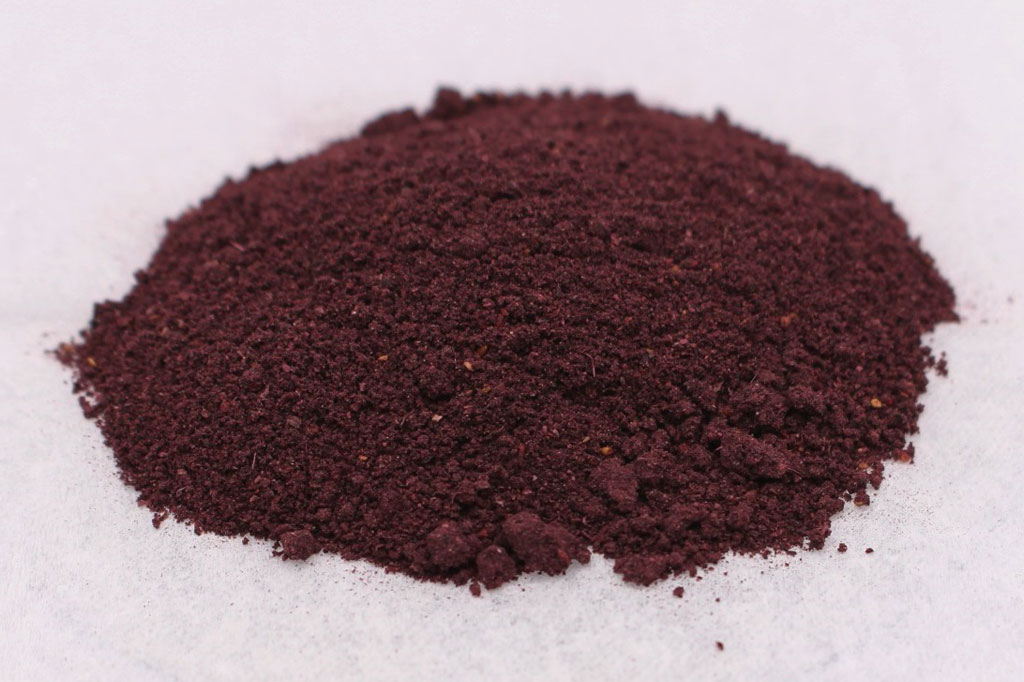
Blueberry powder is increasingly used in beverage, bakery, nutrition and snack applications. However, blueberry juice contains low-molecular-weight sugars and moisture-sensitive compounds that can make powder sticky during drying and more difficult to handle during storage. The process therefore needs to balance powder yield, aroma retention, flowability and practical operating stability.
Why Blueberry Powder Is Challenging to Dry
Blueberry juice is rich in sugars, polyphenols and other heat- and oxygen-sensitive components. During spray drying, these characteristics can increase wall deposition, powder agglomeration and moisture uptake. A suitable process should create fine droplets with a large evaporation area while limiting unnecessary thermal exposure and controlling the powder collection conditions.
Spray Drying Process Variables to Review
For blueberry powder, the following variables should be evaluated together rather than adjusted in isolation:
- Carrier or drying aid selection and dosage: a carrier such as maltodextrin can help improve powder-forming performance and reduce stickiness.
- Feed concentration and viscosity: these affect atomization quality and the ability to form a stable spray.
- Inlet temperature and air flow: these influence evaporation rate, powder moisture and heat exposure.
- Atomization settings: nozzle or rotary atomizer settings should be matched to the feed properties and required particle characteristics.
- Powder recovery and handling: collection, cooling and packaging conditions matter because the finished powder can readily absorb moisture.
Reported Blueberry Spray-Drying Trial
The study described in this article used blueberry juice as the feed and evaluated maltodextrin addition, inlet temperature and spray frequency. In the reported trial, a maltodextrin content of 26.34% and an inlet temperature of 152.26 °C produced a powder yield of 57.17%. The resulting powder was described as uniform in texture with a distinct blueberry aroma.
These figures are useful as a process-development reference, not as universal production settings. Actual operating conditions depend on the fruit solids, pretreatment, feed rate, atomization method, target moisture, hygiene requirements and the selected drying system. Pilot trials are recommended before establishing commercial production parameters.
From Trials to Industrial Production
For industrial projects, process development should begin with a representative feed sample and clear product targets: desired powder moisture, bulk density, particle profile, reconstitution behavior, flavor retention and packaging life. The dryer configuration can then be assessed with appropriate feed preparation, atomization, drying chamber, powder separation and downstream handling.
Griffin Machinery provides industrial drying equipment and engineering support for projects that require process evaluation and equipment selection. Share the material properties, production capacity and powder requirements to discuss a suitable spray-drying approach.
PROCESS DEVELOPMENT REVIEW
Blueberry Powder Spray Drying: Inputs to Qualify Before Scale-Up
Blueberry feed behavior can vary with fruit solids, sugars, acids, preparation method and carrier formulation. A process route should therefore be developed from representative feed data and the required powder specification, rather than from a single temperature or yield figure.
Feed preparation and formulation
- Juice, puree or extract form and solids concentration
- Viscosity, pulp or insoluble-particle content and pumpability
- Carrier selection, formulation objectives and stability observations
- Feed storage time and consistency between production batches
Drying and powder targets
- Initial and target moisture, powder flow and handling requirements
- Heat sensitivity, color and aroma considerations
- Stickiness, wall-deposit risk and recovery observations
- Required throughput, collection method and downstream packaging
From trial to industrial design
Use pilot or representative trials to evaluate atomization, drying behavior, powder collection and handling. Scale-up should also account for air handling, cleaning, exhaust treatment and the available installation layout.
Development boundary: Reported trial results are reference information only. Powder quality, yield and operating conditions depend on the actual fruit feed, formulation, equipment configuration and site conditions; they are not guaranteed for another project.
Related Spray Drying Equipment
Discuss Your Fruit Powder Drying Project
Send the feed form, solids, viscosity, target powder properties, capacity, temperature limits and current processing issue for an engineering review.
Blueberry Spray Drying FAQs
Why is blueberry feed challenging to spray dry?
Fruit-feed composition can influence viscosity, stickiness, atomization and powder recovery. These properties should be reviewed with the required finished-powder specification.
Is a carrier always required?
Carrier choice and dosage are formulation decisions. Their suitability depends on the feed, powder objectives and product requirements, so they should be evaluated for the specific project.
What should be checked during a trial?
Review atomization, drying behavior, deposits, powder collection, moisture, flow, appearance and downstream handling using representative feed material.
What data is useful for an inquiry?
Provide the fruit feed form, solids, viscosity, target moisture, desired powder properties, capacity, temperature constraints, formulation information and site requirements.
Blueberry Powder Spray Drying: Define the Process Window
Fruit powder development should connect feed preparation, atomization, drying, powder recovery and packaging. A reported trial or process example is useful for investigation, but it does not establish a universal recipe, yield or quality result for every blueberry feed.
Characterize the fruit feed and target powder
Record soluble solids, viscosity, acidity, sugars, pulp or suspended solids, feed temperature, pre-treatment, carrier or formulation inputs and the desired moisture, bulk density, particle size, color, aroma, flowability and reconstitution behavior.
Balance atomization, heat and powder recovery
Review atomizer type, feed rate, inlet and outlet conditions, residence time, chamber deposits, fines return, cyclone or filter recovery and cooling. Sticky or sugar-rich feeds may need formulation, air-distribution and cleaning controls to protect stable operation.
Use representative trials and quality checks
Define sampling locations, moisture and water-activity methods, yield calculation, particle analysis, sensory or color checks, cleaning observations and acceptance criteria before scale-up. Document assumptions, operating limits and the effect of seasonal feed variation.
Evidence boundary: this article does not guarantee powder yield, nutrient retention, color, aroma, moisture, solubility or shelf life. Results depend on fruit composition, formulation, equipment configuration, operating conditions, testing method and project-specific acceptance criteria.
Prepare a Blueberry Powder Drying Inquiry
Send feed analysis, solids, viscosity, production duty, carrier or formulation details, target powder properties, utilities, emissions limits, cleaning requirements and trial expectations. Review spray dryer systems, feed suitability guidance, design principles and contact requirements.
Discuss Blueberry Powder Drying
Blueberry Spray Drying FAQs
Why can fruit feeds be difficult to spray dry?
Sugars, acids, viscosity and sticky solids can affect atomization, wall deposition, powder recovery and cleaning.
What powder properties should be defined?
Specify moisture or water activity, particle size, bulk density, color, aroma, flowability, solubility and any nutritional or sensory targets.
Is a published trial a guaranteed recipe?
No. Feed composition, formulation, equipment and test methods vary, so the trial must be treated as evidence for further engineering review.
When is pilot testing useful?
Testing is valuable when feed variability, stickiness, product quality or scale-up assumptions could materially affect the design.