
Choose a Vegetable Drying Route by Product Form
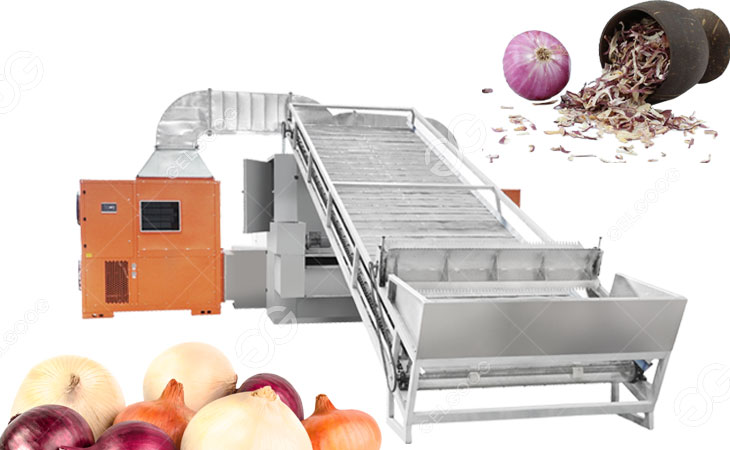
A continuous mesh belt dryer may be evaluated when prepared pieces can be distributed in a controlled layer. Cut dimensions, surface moisture, stickiness, bed depth, belt residence time, air zones and discharge target must be established for the actual product.
Raw Material and Preparation
Define vegetable type, maturity and seasonal range, washing, peeling, cutting, blanching or other pretreatment, cut dimensions and drain condition.
Drying and Quality Target
Specify initial and final moisture, water activity, allowable temperature, color, texture, shrinkage, rehydration and acceptable batch variation.
Hot Air Circulating Oven for Vegetable Drying
Flexible Batch Production
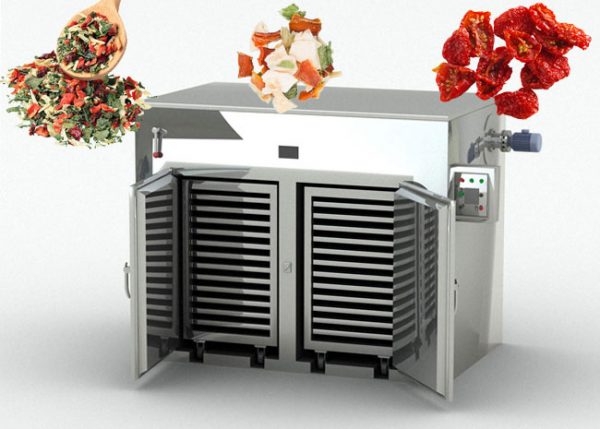
A hot-air circulating oven may suit smaller batches or frequent product changes. Review tray loading, airflow path, cycle endpoint, cleaning, labor and changeover requirements.
Lower-Temperature Batch Duty
A vacuum drying route may be considered when reduced-pressure operation supports the product target. Confirm batch size, vapor load, foaming or sticking behavior, condenser duty and the required endpoint.
Product-quality boundary: equipment alone does not guarantee nutrient retention, color, texture, microbiological condition or shelf life. These results depend on raw material, pretreatment, time-temperature history, final moisture or water activity, sanitation, cooling, packaging and storage.
Food Contact and Cleaning
Define contact materials, belt or tray access, cleaning and sanitation method, drainage, allergen or cross-contact controls and applicable food-safety requirements.
Capacity and Line Interface
Provide hourly input, operating schedule, utilities, room conditions, upstream preparation, cooling, sorting, packaging interface and installation country.
Prepare a Vegetable Drying Enquiry
Define the material, product endpoint and line requirements before equipment selection. Use the project-data checklist to prepare a scoped engineering review.
Share the vegetable variety, pretreatment, cut dimensions, loading method, feed and target moisture or water activity, temperature limit, throughput, cleaning scope, utilities, cooling and packaging requirements.