
This project evaluated a batch fluid-bed granulation and drying route for a water-soluble botanical extract powder. The engineering objective was to agglomerate the fine powder so its wetting, dispersion and downstream handling could be assessed in one controlled process route.
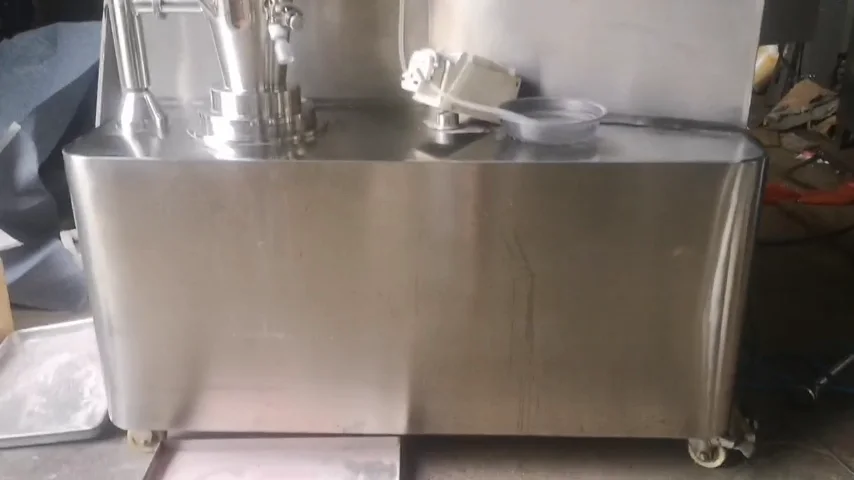
Project overview
A botanical extract producer required an additional agglomeration step after spray drying. The feed was a fine, water-soluble extract powder. The project goal was to evaluate whether controlled agglomeration could improve how the powder wetted and dispersed during downstream use.
The selected route combined batch fluid-bed granulation and drying. Conditioned air fluidizes the powder while an atomized liquid is introduced to promote particle agglomeration. After the spray stage, the process continues with drying before the product is discharged for evaluation.
Processing challenge
Fine extract powders can be light, dusty and slow to wet. A suitable agglomeration route has to balance more than liquid addition alone.
Material behavior
Feed form, bulk behavior, particle size, hygroscopicity and sticking tendency affect fluidization.
Spray control
Spray-liquid properties, atomization and liquid addition influence granule development.
Air condition
Airflow, temperature and humidity must support repeatable fluidization and drying.
Cleaning scope
Binder, hygiene, product changeover and validation needs determine the cleaning strategy.
Why fluid-bed granulation was evaluated
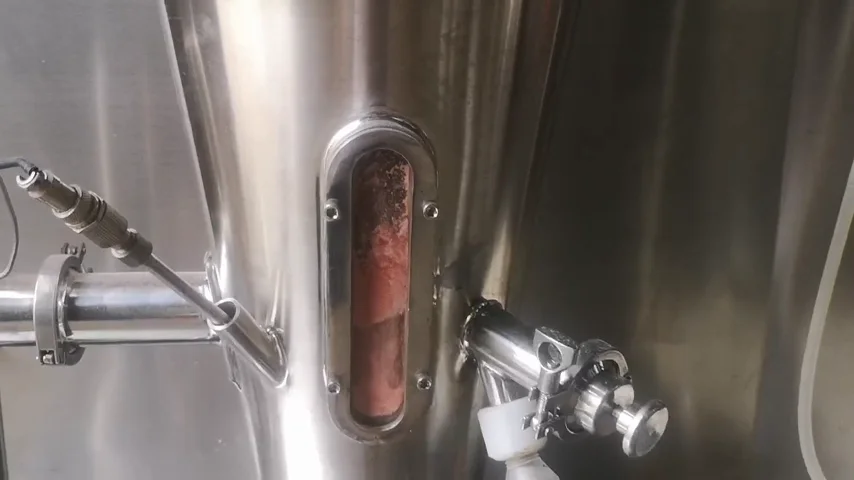
In a batch fluid-bed granulation route, filtered and heated air suspends the powder in the process chamber. An atomized liquid is sprayed into the fluidized material so particles can form agglomerates. The same route can then continue with drying as moisture is removed by conditioned air.
This combination is useful to evaluate when a fine powder requires agglomeration and drying. It is not suitable for every extract powder. Hygroscopicity, thermal sensitivity, particle size, binder response and sticking tendency must be assessed before a configuration is confirmed.
Evaluated process sequence
Introduce the extract powder into the batch product container.
Establish controlled fluidization with conditioned process air.
Introduce the selected granulation liquid through the spray system.
Adjust air, temperature and spray conditions as granules form.
Stop liquid addition and continue with the drying stage.
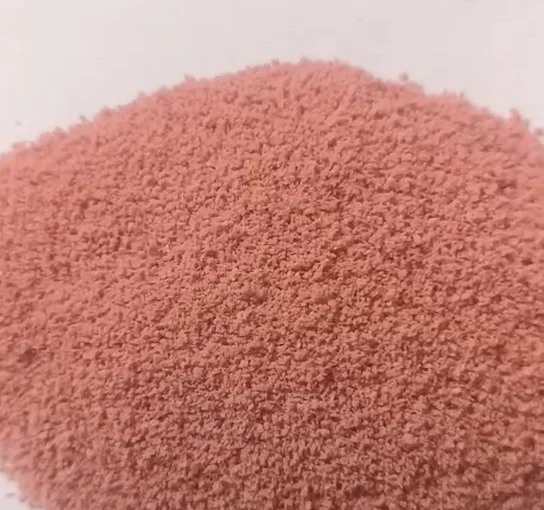
Check the required product condition before discharge.
Engineering decisions
Representative material evaluation
A useful trial records feed behavior, spray response, sticking tendency, product recovery, final condition and dispersion in the intended liquid. Visual granule size alone is not a complete acceptance method.
Process-air condition
Incoming-air humidity can affect repeatability for hygroscopic powders. Dehumidification should be considered from material sensitivity and site conditions rather than added automatically.
Cleaning strategy
Cleaning depends on the material, binder, changeover and customer procedure. The required scope must be confirmed for each installation.
Batch and model selection
Bulk density, liquid addition, fluidization, filter loading, residence time and final product condition all influence usable batch capacity and model selection.
How the powder was evaluated
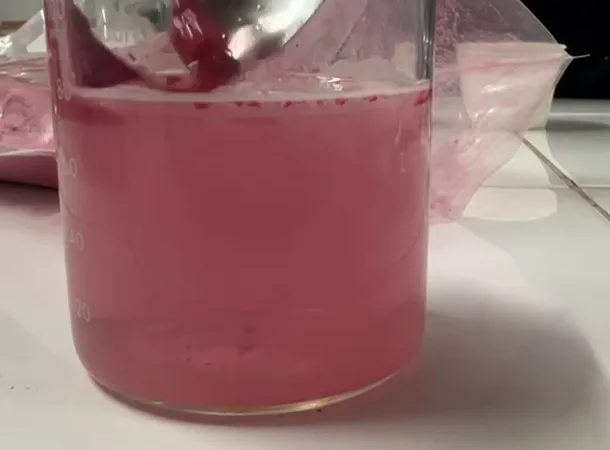
The project evidence includes a water-dispersion check of the processed extract powder. It documents an evaluation method, not a standardized or quantified solubility result.
A commercial acceptance criterion should define the liquid, temperature, mixing method, sample mass, observation time and measurement method.
Information needed for a similar project
Material and product
- Material name, composition and intended use
- Feed form, bulk density and particle size
- Current and required final moisture
- Required granule size or dispersion target
Production and site
- Target batch size and batches per day
- Binder or spray-liquid information
- Heat source, voltage and compressed air
- Ambient condition, room size and cleaning needs
Request a fluid-bed granulation review
Send a representative material description, target batch size, moisture data and required granule or dispersion result. Griffin can review whether batch fluid-bed granulation, fluid-bed drying or another route is the better starting point.
Frequently asked questions
Can a fluid-bed granulator process every botanical extract powder?
No. Extract powders differ in hygroscopicity, thermal sensitivity, particle size, binder response and sticking tendency. Material data and a representative trial are needed before the equipment and process conditions can be confirmed.
Can granulation and drying be completed in the same unit?
In a batch fluid-bed granulation route, liquid spraying and drying can be carried out in the same process chamber. The exact sequence, controls and cleaning arrangement depend on the material and production requirements.
Does the equipment guarantee a specific solubility improvement?
No universal improvement can be guaranteed from the equipment name alone. Wettability, dispersion and dissolution behavior depend on formulation, granule structure, binder, settings and the customer’s test method.
What information is needed to select a batch fluid-bed system?
Provide the feed form, bulk density, moisture, target batch size, granule specification, heat source, electrical standard, compressed-air supply, cleaning requirements and installation constraints.
Related engineering routes
Customer identity, formulation and commercial information remain confidential. Images document project/trial evidence and do not represent an independently verified production-performance guarantee.